
In a world where video games reign supreme and couch cushions double as makeshift forts, youth fitness training might seem like a daunting challenge. But fear not! It’s time to turn those young couch potatoes into energetic dynamos ready to conquer the playground—or at least outrun the ice cream truck. With the right approach, fitness can be fun, engaging, and even a little silly.
Overview Of Youth Fitness Training
Youth fitness training focuses on developing physical fitness in children and adolescents. Engaging young people in regular physical activities fosters their overall health and wellness. Various types of exercises target strength, endurance, flexibility, and balance. Activities such as running, swimming, and team sports provide opportunities for enjoyment while promoting fitness.
Structured programs play a vital role in ensuring safety and effectiveness. Techniques like interval training and circuit workouts keep sessions engaging and varied. Youth training should adapt to different skill levels, allowing each individual to progress at their pace. Incorporating games and challenges adds a fun aspect, making fitness more appealing.
Nutrition also intertwines with fitness. Proper nourishment supports energy levels and optimal performance during activities. Encouraging healthy eating habits goes hand in hand with physical training. Resources like workshops and cooking classes can teach young individuals about balanced diets.
Parents, coaches, and educators contribute significantly to youth fitness training. Their support motivates children to stay active and prioritize health. Setting realistic goals helps young people visualize their progress and boosts self-esteem. Regular communication reinforces the importance of fitness and wellness.
Incorporating technology can also enhance youth fitness training. Fitness apps and tracking devices provide feedback and promote healthy competition among peers. By utilizing these tools, children can take ownership of their fitness journeys. The combination of activities, nutrition, support, and technology creates a comprehensive approach to youth fitness training.
Benefits Of Youth Fitness Training
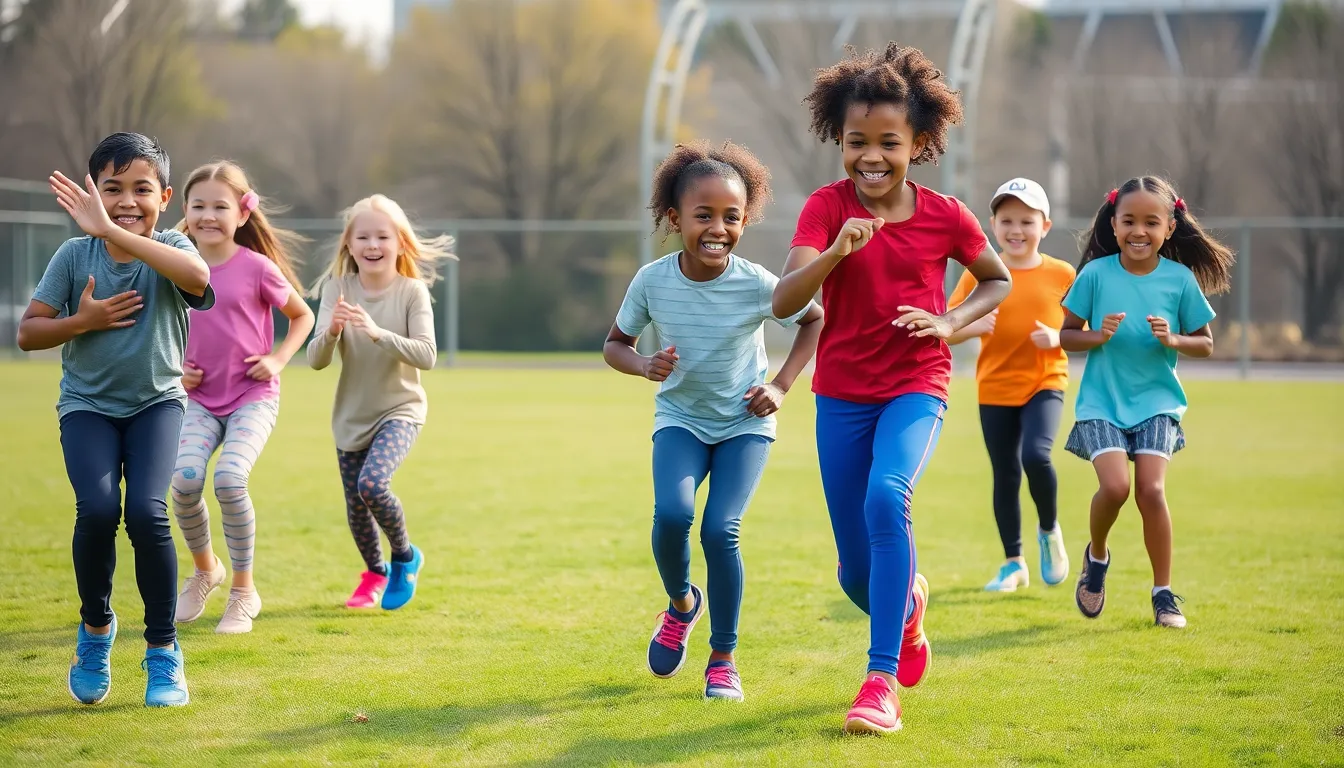
Youth fitness training offers numerous advantages that impact both physical and mental well-being. Engaging young individuals in regular exercise promotes overall health and boosts self-esteem.
Physical Health Benefits
Physical fitness improves cardiovascular health, helping to reduce the risk of heart disease. Regular exercise builds strength, enhancing muscle development and bone density. Flexibility and balance increase through various activities, enabling better movement and coordination. Preventing obesity becomes easier when children engage in consistent physical activity, leading to healthier weight management. Enhancing endurance allows kids to partake in sports and recreational activities more actively.
Mental Health Benefits
Participating in fitness activities positively influences mental health. Regular exercise reduces stress and anxiety levels, facilitating a better mood. Increased endorphin production contributes to an overall sense of well-being. Social interaction during group workouts fosters friendships, offering emotional support. Establishing a routine encourages discipline and focus, helping children set and achieve goals. Additionally, the sense of accomplishment gained through progress boosts self-confidence.
Types Of Youth Fitness Training Programs
Youth fitness training encompasses various programs catering to different aspects of physical health. Each type focuses on improving specific fitness elements, ensuring a well-rounded approach to youth activity.
Strength Training
Strength training programs for youth include exercises designed to enhance muscle strength and endurance. Age-appropriate resistance exercises use body weight, resistance bands, or light weights to build muscle safely. Proper technique ensures safety while preventing injury. Activities such as push-ups, squats, and lunges are effective. Emphasis on form helps young individuals understand body mechanics, promoting healthy habits. Regular participation boosts overall physical capabilities and instills confidence in their strength and abilities.
Cardiovascular Training
Cardiovascular training targets heart health and endurance. Engaging in activities like running, cycling, or swimming effectively builds stamina. Programs often feature team sports, as they combine exercise with social interaction. Structured sessions incorporating interval training keep workouts engaging and fun. Consistent cardiovascular activity helps control weight and improves overall fitness levels. Young athletes benefit from increased energy and endurance, positioned to excel in various physical pursuits.
Flexibility and Mobility Training
Flexibility and mobility training enhance the range of motion and reduce injury risk. Programs incorporate stretching exercises, yoga, and dynamic movements, focusing on major muscle groups. Increasing flexibility supports better performance in other physical activities. Methods such as warm-up and cool-down stretches aid recovery and improve posture. Developing mobility promotes functional strength usable in everyday activities. Youth who engage in these sessions experience heightened overall agility and adaptability, leading to improved athletic performance.
Factors Influencing Youth Fitness
Youth fitness is affected by several key factors, making it essential to understand these influences for effective training.
Age and Developmental Considerations
Age significantly impacts fitness capabilities and interests. Younger children often enjoy activities that emphasize fun and play, while older adolescents may gravitate toward structured workouts or competitive sports. Developmental stages also determine physical abilities; muscle and coordination development occurs at different rates. Coaches and parents should tailor fitness programs based on individual growth trajectories, ensuring exercises align with each child’s physical and psychological readiness. Understanding these differences fosters an environment where youth can thrive and develop healthy habits.
Motivation and Engagement Strategies
Motivation influences youth participation in fitness activities. Utilization of engaging strategies can heighten interest and commitment. Group activities, including team sports, promote social interaction and teamwork, making workouts more enjoyable. Introducing gamified elements, such as challenges or rewards, can increase excitement around fitness. Parents and coaches play vital roles in encouraging participation by setting realistic goals and providing positive reinforcement. Establishing a supportive atmosphere enables youth to embrace fitness, turning physical activity into a lifestyle choice rather than a chore.
Encouraging youth fitness training is vital for fostering a healthier generation. By promoting engaging and enjoyable activities, children can develop a lifelong appreciation for physical fitness. The integration of structured programs that focus on various fitness components ensures that young individuals not only improve their physical capabilities but also enhance their mental well-being.
Support from parents, coaches, and educators is crucial in motivating youth to stay active and set achievable goals. Utilizing technology can further enrich their fitness journey, making it fun and interactive. By creating a positive environment around fitness, children are more likely to embrace an active lifestyle that benefits their overall health and happiness.


