
Imagine stepping into a virtual café in Paris, sipping a digital espresso while chatting with a native French speaker—all without leaving your living room. Welcome to the world of VR language learning, where the boundaries of traditional classrooms vanish faster than a magician’s rabbit. This innovative approach combines the thrill of immersive experiences with the practicality of language acquisition, making it easier and way more fun to learn a new tongue.
Overview of VR Language Learning
VR language learning utilizes immersive technology to create engaging environments for language practice. Learners often find themselves in virtual settings, such as a bustling café in Paris, where they interact with native speakers. This approach directly enhances conversational skills.
The immersive experience helps users overcome anxiety related to speaking a new language. Rather than memorizing vocabulary, they practice in authentic scenarios. Realistic simulations promote better retention and comprehension when learners encounter the language in context.
Studies indicate a significant increase in engagement and motivation among students using VR. Gamified components, such as rewards and challenges, encourage consistent practice. Participation in multiplayer environments facilitates collaboration and social interaction with peers.
In VR, visual and auditory elements work together, reinforcing vocabulary learning. Participants can see images associated with words while hearing correct pronunciations, aiding memory retention. This multisensory approach strengthens connections between words and meanings.
Educational institutions are beginning to integrate VR into language programs. Academic studies show that learners using VR technologies outperform traditional learners in speaking proficiency. Positive feedback loops from immersive practice build confidence, allowing learners to express themselves more freely.
Availability of diverse VR platforms supports various learning styles. Users can access tailored experiences that suit their individual preferences, ranging from structured courses to informal conversations. Flexibility ensures that learners can practice at their own pace, adjusting their journeys as needed.
VR language learning represents a transformative shift in how languages are acquired. By creating realistic, interactive experiences, it motivates learners and prepares them for real-world communication.
Benefits of VR Language Learning
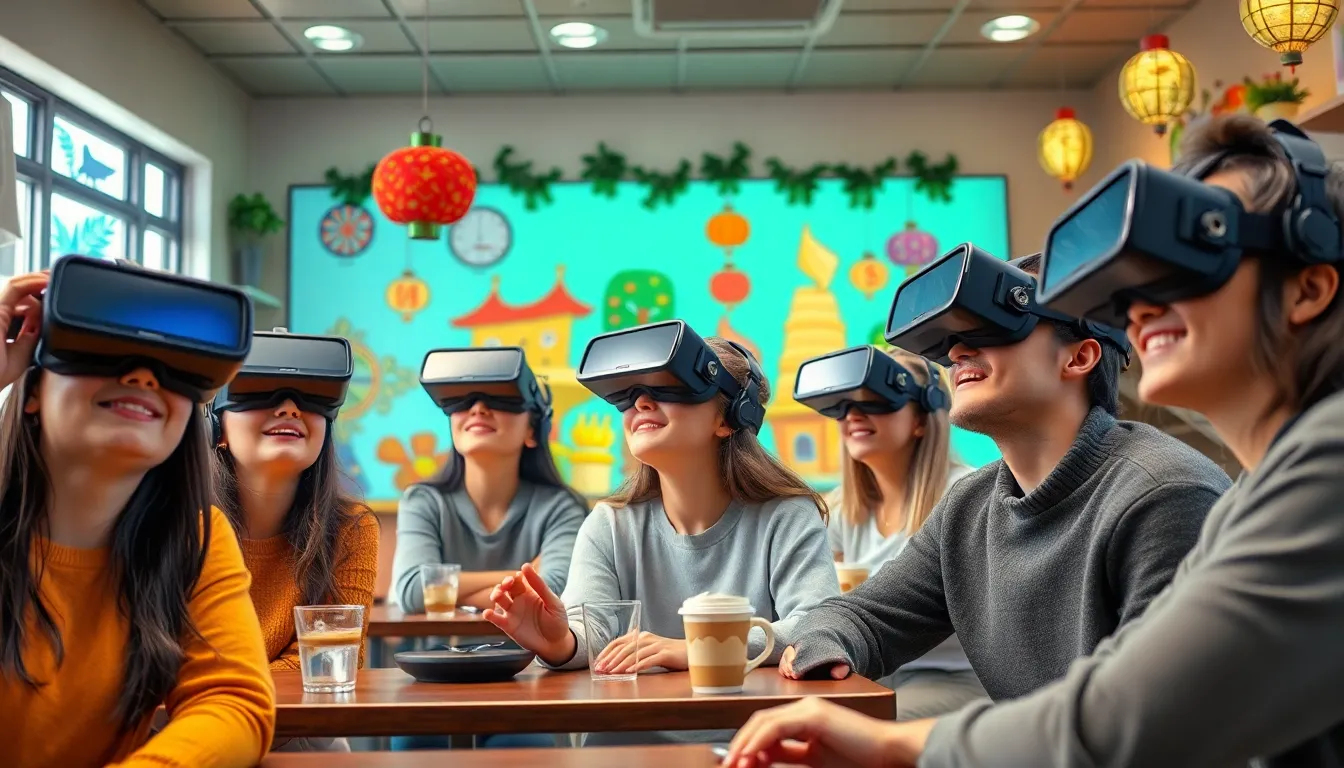
VR language learning offers distinct advantages that enhance the language acquisition process. Immersive environments and interactive experiences reshape traditional methods, leading to more effective learning outcomes.
Immersive Experience
Immersive experiences transport learners into realistic settings. Learners can practice speaking with native speakers in a virtual café or market. Such scenarios mimic real-life interactions, providing context for language use. Engaging with dynamic visuals and sounds stimulates multiple senses, making vocabulary retention easier. Furthermore, learners develop cultural understanding alongside language skills. Authentic experiences enable learners to apply what they’ve learned in a practical way, bridging classroom knowledge to real-world communication. As a result, the immersive aspect keeps learners motivated and inspired.
Enhanced Engagement
Enhanced engagement correlates positively with increased motivation. Gamified elements within VR platforms hold users’ attention and create a fun learning atmosphere. Studies show that learners using VR demonstrate higher overall retention rates. Collaborative activities allow for social interaction, fostering teamwork and peer support. Multi-sensory activities lead to improved memory recall during conversations. By continuously interacting in various scenarios, learners feel empowered to use new skills confidently. The combination of exclusive content and interactive formats keeps learners returning for more practice, establishing a consistent learning routine.
Challenges of VR Language Learning
VR language learning presents several challenges that may hinder its effectiveness.
Technical Limitations
Technical limitations pose significant obstacles. Many users experience difficulties with hardware compatibility, software updates, or system requirements not being met. Lag issues can interrupt immersive experiences, leading to frustration during lessons. High-quality VR devices also come with a steep price tag, making them less accessible for some learners. Limited availability of content in specific languages restricts practice opportunities. Additionally, Internet connectivity issues can disrupt virtual environments, compromising the overall learning experience.
Accessibility Issues
Accessibility issues affect many potential learners. Not everyone possesses the physical capabilities required to operate VR technology. Individuals with visual or auditory impairments may encounter challenges engaging with VR language programs. Moreover, the cost of VR headsets and related equipment serves as a financial barrier for many. Geographic location can further limit access to VR resources. Some environments lack sufficient infrastructure, preventing learners from benefiting from advanced language learning tools. Addressing these challenges is essential for maximizing the VR learning experience for all users.
Popular VR Language Learning Platforms
Various platforms offer unique features designed for an immersive language learning experience. They cater to different needs and preferences, ensuring learners find suitable options.
Comparison of Key Features
| Platform | Key Features | Price Range |
|---|---|---|
| Mondly VR | Interactive lessons, real-time conversations, voice recognition, gamified content. | $7.99/month or $47.99/year |
| ImmerseMe | 360-degree environments, industry-specific scenarios, real-world conversation practice. | $29/month or $14/month (annual plan) |
| VRChat | User-generated content, community interaction, customizable avatars. | Free with optional purchases |
| LingVR | Speech practice with tutors, immersive vocabulary sessions, personalized learning journey. | $15/month |
Platforms offer varying features like interactive lessons and immersive environments that appeal to different learners.
User Reviews and Testimonials
Users consistently praise VR language learning platforms for their engaging content and realistic scenarios. One learner shared that practicing in a virtual café environment significantly reduced anxiety when speaking. Another user highlighted the effectiveness of gamified elements in maintaining motivation. Reviews often mention how interaction with native speakers has improved their confidence and fluency. Many learners appreciate the innovative approach these platforms provide, noting tangible language retention improvements. Personalized experiences cater to different learning styles, further enhancing overall satisfaction with the platforms.
Future of VR Language Learning
The future of VR language learning promises to enhance user experiences significantly. Predictions suggest widespread adoption of advanced VR technologies in educational settings. This trend emerges alongside improvements in software capabilities, driving the development of even more immersive learning environments.
Emerging platforms will likely integrate artificial intelligence, personalizing lessons based on individual learner needs. Adaptive algorithms may analyze speech patterns, offering tailored feedback for real-time improvement. Consequently, learners can expect accelerated language acquisition through consistent practice in dynamic environments.
Many educational institutions are already implementing VR into their curricula. Studies indicate that users immersed in VR environments show remarkable growth in language proficiency compared to traditional methods. Engaged in realistic scenarios, these learners practice speaking with native speakers from the comfort of their homes.
Gamification will continue playing a crucial role in VR language learning. By incorporating interactive elements, platforms can maintain motivation and promote collaboration. Increased competition among users, fueled by leaderboards and rewards, can further incentivize frequent practice.
Additionally, accessibility to VR technology is expected to expand. As prices for VR devices decrease and mobile options become more prevalent, more learners can benefit from these innovative tools. Educators may also create content optimized for various skill levels, ensuring everyone has an opportunity to gain fluency.
Finally, community-driven platforms will likely foster global interaction among learners. Participating in virtual events or language exchanges allows users to share knowledge and cultural insights. Ultimately, the ongoing evolution of VR language learning aims to create inclusive, engaging, and effective experiences for users worldwide.
VR language learning is revolutionizing how individuals acquire new languages. By immersing learners in realistic environments and enabling interaction with native speakers, it fosters confidence and fluency. The gamified elements and community interactions further enhance motivation and retention, making language practice enjoyable and effective.
As technology advances and accessibility improves, more learners will have the opportunity to experience these innovative tools. The future looks bright for VR language learning, promising even more personalized and engaging experiences. This transformative approach not only prepares users for real-world communication but also bridges cultural gaps, enriching the overall learning journey.


