
In a world where fitness fads pop up faster than a new cat video goes viral, staying on top of the latest trends can feel like trying to catch a greased pig at a county fair. From high-intensity interval training to the latest dance workout that promises to make even the most rhythmically challenged feel like Beyoncé, the fitness landscape is constantly evolving.
Overview of Fitness Trends
The fitness industry experiences continuous evolution, adapting to new preferences and technologies. High-intensity interval training (HIIT) remains prominent due to its efficiency and ability to burn calories quickly. Dance workouts, combining fun with physical activity, attract participants looking for engaging ways to exercise.
Wearable technology plays a vital role in monitoring fitness levels and health metrics, enabling users to track progress effectively. Apps for guided workouts and nutrition plans have gained popularity, making fitness more accessible. Virtual classes, especially in response to the pandemic, allow individuals to work out from home, facilitating engagement without the constraints of location.
Outdoor activities have surged, with people gravitating towards running, cycling, and yoga in parks. Group classes, promoting social interaction, continue to flourish as communities seek connection. Strength training, particularly bodyweight exercises, emphasizes functional movement and sustainability, appealing to a broader audience.
Mindfulness practices, intertwined with fitness, enhance mental well-being alongside physical health. This trend fosters a more holistic approach to wellness, integrating practices like yoga and meditation into fitness regimens. Sustainable fitness options increasingly resonate with eco-conscious individuals, incorporating eco-friendly equipment and facilities.
Ultimately, the landscape of fitness trends adapts to the needs and desires of diverse populations. Companies that embrace innovation while maintaining inclusivity will likely thrive in this dynamic environment.
Popular Fitness Trends in Recent Years
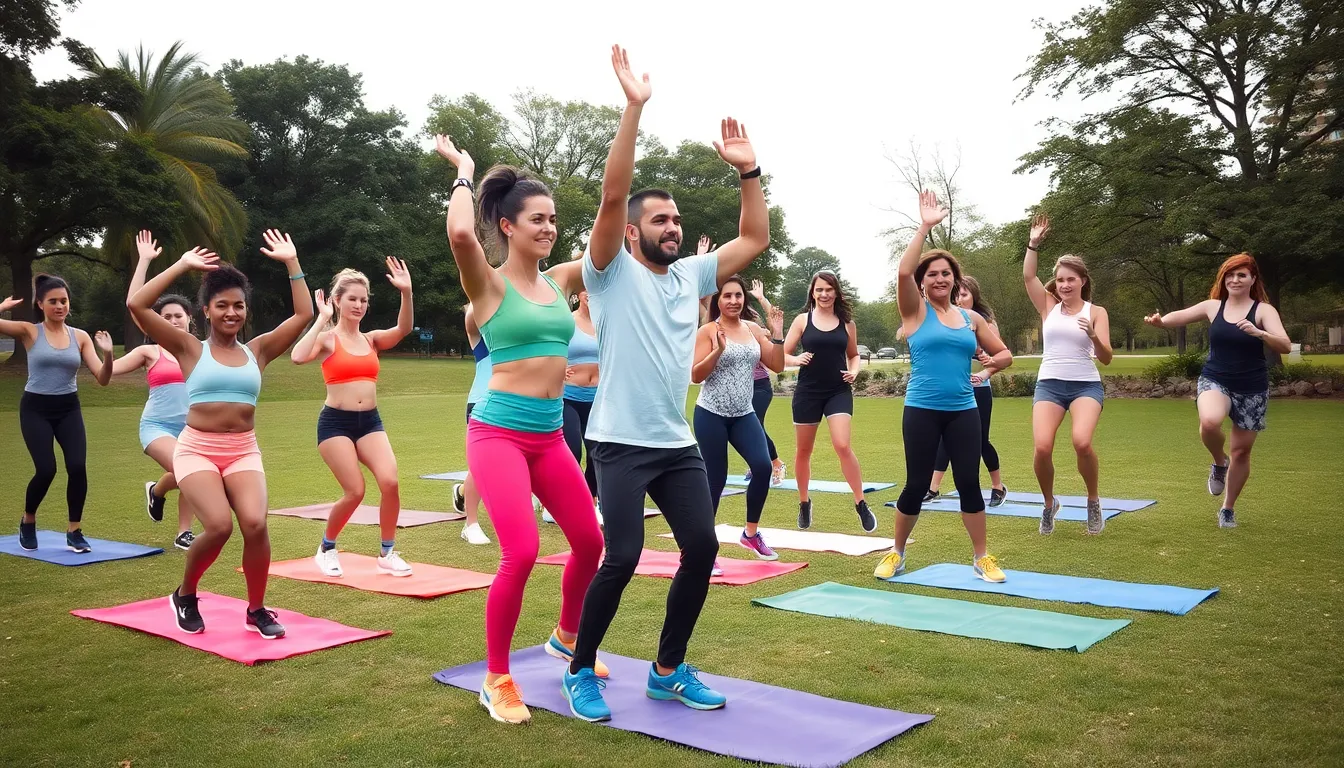
The fitness landscape continues to evolve rapidly, with trends reflecting changing preferences and technologies.
High-Intensity Interval Training (HIIT)
HIIT commands attention for its efficiency and effectiveness in burning calories in shorter time frames. This training method alternates between intense bursts of exercise and rest periods, making workouts more dynamic. Many fitness enthusiasts appreciate the ability to customize HIIT routines with minimal equipment. Programs often target cardiovascular fitness while promoting muscle building. Research indicates HIIT can improve endurance and overall health markers, contributing to its widespread adoption in gyms and online platforms.
Virtual Fitness Classes
Virtual fitness classes gained immense popularity during the pandemic, offering accessibility for home workouts. Individuals can join live or recorded sessions, ensuring flexibility in scheduling. Diverse options cater to various interests, from yoga to strength training, fostering inclusivity in fitness participation. Social interaction remains significant, as virtual classes allow people to connect with instructors and peers in real time. Platforms often integrate gamification elements, motivating users to reach their fitness goals through friendly competition.
Wearable Fitness Technology
Wearable fitness technology enhances personal health data monitoring for improved performance. Devices track metrics like heart rate, steps, and sleep quality, enabling users to set realistic fitness goals. Many individuals find motivation in real-time feedback, driving them to stay active and make progress. Applications often sync with wearables, providing insights into workout routines and nutrition. With advancements in technology, wearables continue to become more user-friendly and integrated into daily lifestyles.
Emerging Fitness Trends to Watch
The fitness landscape is constantly evolving, introducing innovative approaches to enhance health and wellness.
Mindfulness and Wellness Integration
Mindfulness practice is increasingly included in fitness routines. It enhances mental health while contributing to physical well-being. Individuals now participate in yoga classes that focus on breathwork and meditation. Group sessions often emphasize shared experiences, fostering a sense of community. Personal trainers incorporate mindfulness techniques into workouts, encouraging a holistic approach to fitness. This trend aims to create balanced individuals by addressing both physical and emotional needs.
Functional Training
Functional training gains traction among fitness enthusiasts. This training focuses on exercises that mimic daily activities, enhancing strength and flexibility. Individuals using functional training experience improved movement patterns in everyday life. Group classes often incorporate bodyweight exercises, resistance bands, and balance work. Trainers design routines tailored to real-world functional movements, promoting injury prevention. Overall, functional training supports a sustainable and practical approach to personal fitness.
The Impact of Fitness Trends on Health
Fitness trends significantly influence overall health outcomes. High-intensity interval training (HIIT) provides efficient calorie burning, leading to improved cardiovascular health. Dance workouts engage participants, promoting physical movement while enhancing emotional well-being. Wearable technology offers insightful data on heart rates and sleep quality, helping individuals track their fitness journeys effectively.
Virtual classes present flexible workout options, accommodating diverse schedules and preferences. Accessibility increases as apps provide guided workouts, ensuring users receive tailored fitness advice. Running, cycling, and yoga continue to surge in popularity as outdoor activities that improve mental health and physical stamina. Group classes foster social connections, enhancing motivation and commitment among participants.
Mindfulness practices integrated into fitness routines create a comprehensive approach to health. Yoga sessions centering on breathwork cultivate tranquility and community. Personal trainers focusing on mindfulness integrate these techniques, promoting a holistic pathway to fitness that addresses physical and emotional needs.
Functional training draws attention by emphasizing everyday movement patterns. This trend supports injury prevention while improving overall strength and flexibility. Sustainable fitness options appeal to eco-conscious consumers, highlighting eco-friendly facilities and equipment choices. Emerging fitness trends reflect a broader societal push towards inclusivity and innovation, ultimately creating diverse options for all health enthusiasts.
The evolving landscape of fitness trends showcases a commitment to inclusivity and innovation. As individuals seek engaging and effective ways to improve their health, the industry continues to adapt. With options like HIIT dance workouts and outdoor activities gaining traction, there’s something for everyone.
Wearable technology and virtual classes have made fitness more accessible than ever. The integration of mindfulness practices into routines highlights a holistic approach that nurtures both physical and mental well-being.
As these trends shape the future of fitness, they empower individuals to take charge of their health journeys, fostering a community that values wellness in all its forms. The future looks bright for fitness enthusiasts as they embrace diverse and sustainable options.


