
Have you ever wondered why children seem to pick up languages like candy from a piñata? It’s all about a magical window often referred to as the critical age for learning language. During this time, the ability to absorb new linguistic nuances resembles a sponge in water. But what happens if someone misses this golden opportunity? Buckle up as we dive deep into science, anecdotes, and some practical strategies for those who might have missed out.
Understanding the Critical Period Hypothesis
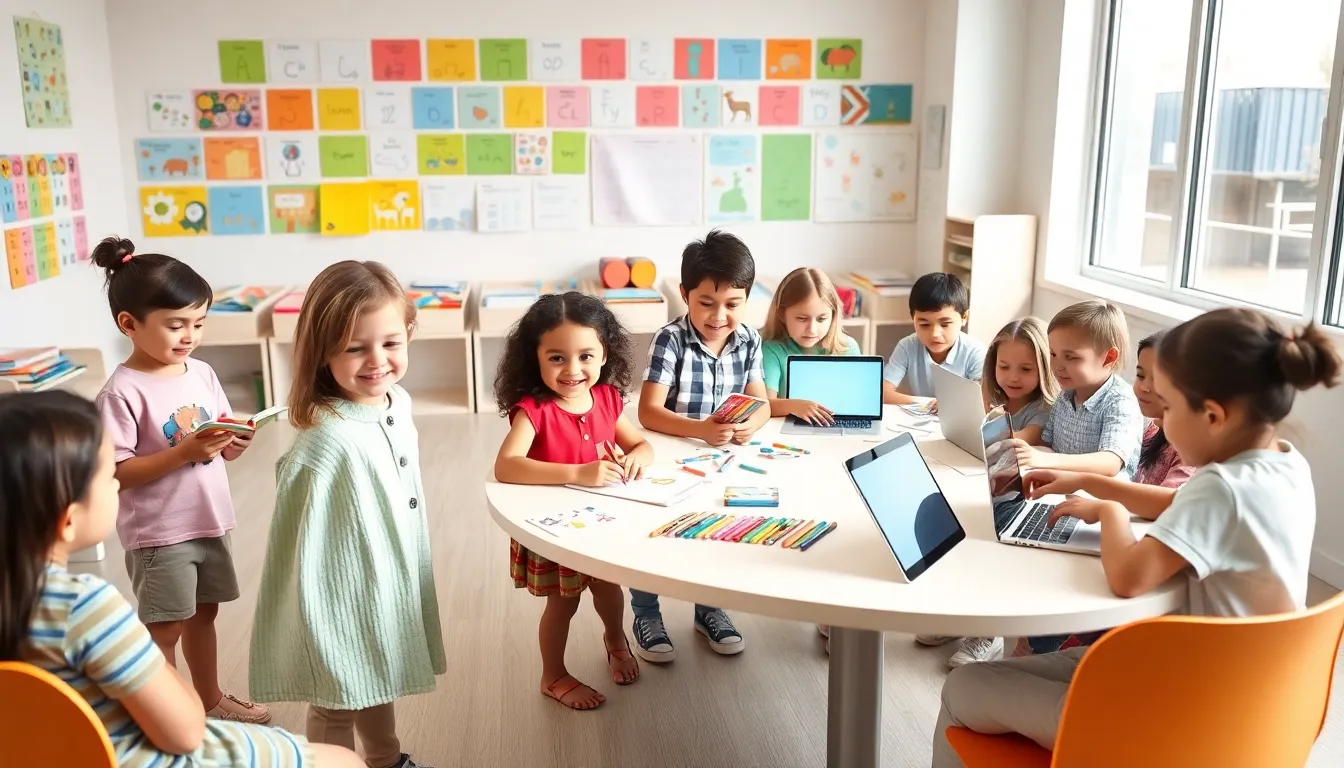
The critical period hypothesis (CPH) suggests that there exists a specific timeframe in early childhood during which language learning occurs most efficiently. Researchers argue that this phase typically lasts until around puberty. During this span, children can acquire languages naturally and with minimal formal instruction. After this period, the road to proficiency can become laden with obstacles, generating the notion that acquiring a new language later in life may be inherently more challenging. Some scientists propose that the developing brain flourishes with neuroplasticity, allowing young learners to grasp complex grammatical structures and phonetics with astonishing ease. Notably, a child in this critical window can juggle multiple languages simultaneously, often without even realizing it. This fascinating aspect of human development underscores the significance of timing when it comes to language acquisition.
The Science Behind Language Acquisition
At the heart of language acquisition, two fundamental processes dominate: the innate and the interactionist approaches. The innate approach suggests that humans are pre-wired for language learning, as posited by linguist Noam Chomsky. He introduced the theory of a Language Acquisition Device (LAD) that posits an intrinsic ability to understand and produce language.
On the other hand, the interactionist perspective emphasizes the role of social interaction in acquiring language skills. Children learn by engaging with caregivers, peers, and their environments. Just picture a toddler mimicking their parents’ conversations at dinner, it’s not merely imitation but rather keying into the symphony of language nuances that they hear.
Neurologically speaking, studies have shown that the brain undergoes significant changes during the first few years of life, aptly dubbed the “brain’s linguistic flexibility.” Neural pathways strengthen when frequently used, allowing for richer connections as children immerse themselves in new languages. This brainpower underscores why early language exposure can lead to fluent speakers with a natural command.
Factors Influencing Language Learning During Early Years
While the critical period provides a framework, several factors can influence how effectively children learn languages at a young age. Firstly, exposure plays an indispensable role. The more frequently a child interacts with language, be it through reading, conversation, or multimedia, the more profound their grasp of it becomes. A household rich with linguistic diversity can set a fertile ground for raising multilingual individuals.
Secondly, emotional bonds matter. Children display an enhanced ability to learn languages when they feel secure and connected to their caregivers. This emotional backing fosters an optimal learning environment, which can pave the way for better retention and engagement.
Age isn’t the sole factor: individual differences in temperament and motivation also weigh in heavily. Children who are naturally curious and willing to explore new environments typically embrace language learning more readily. Finally, cultural context can’t be ignored. The environment, community, and societal attitudes towards language learning can immensely influence how a child embraces the process.
Implications of Missing the Critical Period
Missing the critical period can have significant implications for language acquisition. Adults learning a language often face hurdles such as accent imitation and grammatical rules that come more naturally to younger learners. Research shows that individuals who start learning a second language after puberty often speak with noticeable accents, struggling with native-like pronunciation and intricate grammar structures.
Also, missing this window may affect cognitive development. A delay in acquiring a language may strand individuals cognitively, hindering complex thought processes encoded in language itself. Psychologists point out that language shapes thought: hence, a lack of intimate knowledge about a language may restrict critical cognitive functions, causing lifelong challenges in communication and social integration, particularly in a globalized world.
Strategies for Language Learning Beyond the Critical Age
For those navigating the treacherous waters of language acquisition beyond the critical age, hope is not lost. Numerous strategies can be employed for effective learning. Aiming for immersive experiences can greatly enhance language retention: think study-abroad programs or language immersion camps. Being in an environment where a language is spoken natively cultivates quicker and more authentic learning.
Incorporating technology can also play a pivotal role. Language learning apps, podcasts, and interactive games can engage learners in ways that textbooks simply cannot. Also, committing to routines, like consistently practicing for specific durations, can help cultivate a disciplined approach.
Finally, combining formal learning with informal practices, such as participating in language exchange programs, can lead to more substantial retention and improvement. Experiences that blend listening, speaking, reading, and writing culminate in a well-rounded language acquisition strategy, even after the critical period.
Case Studies and Real-World Examples
Examining real-world case studies sheds light on the intricacies of language learning. Consider the case of young polyglots who have mastered several languages effortlessly by age six, often attributed to living in multilingual environments or having parents who prioritize linguistic exposure. Their success stories provide compelling evidence supporting the critical period hypothesis.
Conversely, late learners like American adults who try to learn Spanish for travel often report mixed outcomes. While many achieve functional fluency, few reach the same level as native speakers due to the evolved neural pathways. Feedback from language learners consistently highlights frustration around pronunciation and grammatical intricacies. But, their stories also demonstrate resilience and adaptability, showcasing that, even though hurdles, language learning remains achievable.


