
Looking to spice up your fitness routine? Small group fitness training might just be the secret sauce you need. Imagine sweating alongside a few dedicated buddies, each cheering each other on, and trying not to complain about those last few burpees, what’s not to love? In this age of solo workouts and virtual classes, small group sessions offer a refreshing change that packs a punch. Ready to jump into the world of small group training? Let’s explore how it can transform your fitness journey.
What Is Small Group Fitness Training?
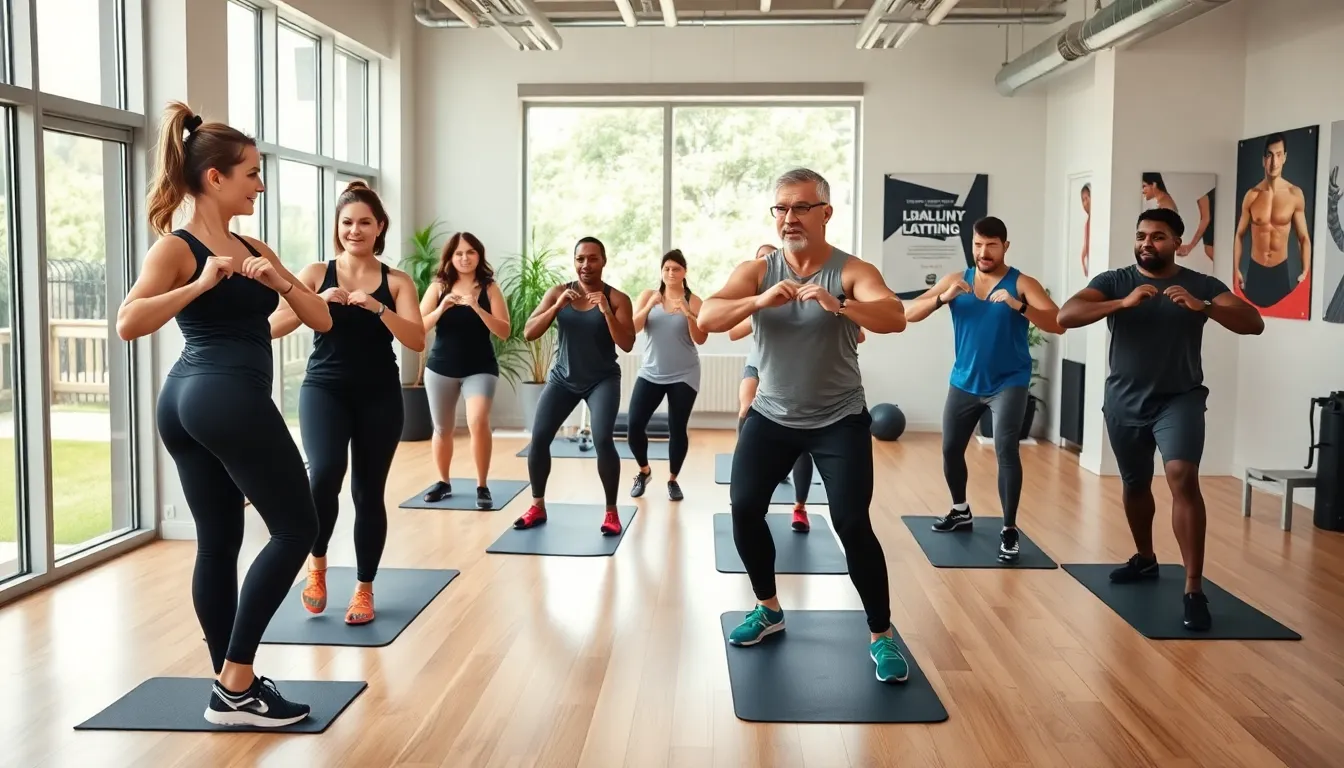
Small group fitness training typically involves a small number of participants, usually ranging from 3 to 15 people, gathered under the guidance of a certified fitness instructor. Unlike traditional large-scale classes where individuals can easily get lost in the crowd, small group training provides a more intimate and personalized environment. This setting allows individuals to receive tailored attention while fostering camaraderie among participants. Generally, these classes incorporate various workouts, including strength training, cardio, flexibility exercises, and sometimes even specialized formats, such as yoga or high-intensity interval training (HIIT). The focus is not only on improving physical fitness but also on building a supportive community.
Benefits of Small Group Fitness Training
There are numerous advantages to choosing small group fitness training over larger classes or solo workouts.
- Personalized Attention: With fewer participants, instructors can offer individualized feedback to ensure proper form and technique. This kind of personal touch can enhance performance and reduce the risk of injury.
- Motivational Environment: Exercising in a group setting creates a natural sense of accountability. Participants often push each other, which can make challenging workouts feel more manageable.
- Variety of Workouts: Small group sessions often include diverse training modalities, breaking the monotony of a typical fitness routine. This variety keeps workouts exciting and can lead to better overall fitness results.
- Community Support: Working out with others builds a sense of community. Friends are made, goals are supported, and each participant is inspired by the success of their peers.
- Cost-Effective: Compared to one-on-one training sessions, small group classes are usually more affordable, making it easier to stick to a fitness regimen without blowing the budget.
Key Elements of Effective Small Group Training
To maximize the benefits of small group fitness training, several key elements should be taken into consideration:
- Qualified Instructors: The expertise of the trainer is crucial. Instructors should not only be certified but also skilled at managing small groups and providing tailored instruction through varied workouts.
- Defined Goals: Each session should have specific objectives, ensuring participants know what to expect and what they are working towards. Goals can include improving strength, endurance, or mastering new skills.
- Safe Environment: Safety is paramount in any fitness setting. Instructors need to create a supportive atmosphere where participants feel safe to try new exercises without fear of judgment.
- Variety in Programming: Effective classes should incorporate a range of exercises. This not only maintains excitement but also caters to different fitness levels and personal interests.
- Focus on Community: Building relationships among participants enhances the experience. Activities that encourage bonding can create an enjoyable and motivating workout culture.
Types of Small Group Fitness Sessions
Small group fitness training can take many forms, each catering to different interests and fitness levels:
- Strength Training Groups: Focusing on building muscle through weight lifting, resistance bands, or bodyweight exercises, these sessions emphasize correct form and muscular endurance.
- Cardio Classes: These workouts prioritize heart health and endurance, often incorporating circuits or interval training to keep the heart pumping.
- Yoga and Flexibility Sessions: Aimed at enhancing flexibility, relaxation, and mental well-being, these classes can vary in intensity and style, from restorative practices to more dynamic flows.
- HIIT Classes: High-Intensity Interval Training involves alternating periods of intense exercise with recovery times, designed to maximize calorie burning in a shorter period.
- Dance and Zumba Classes: Infusing fun into fitness, these sessions allow participants to enjoy movement to upbeat music, making workouts feel more like a party than a chore.
How to Choose the Right Small Group Fitness Class
Selecting the right small group fitness class can make all the difference in achieving fitness goals and enjoying the process. Here are a few tips:
- Identify Personal Goals: Understanding personal fitness goals ensures the selected class aligns with individual aspirations, be it improving strength, losing weight, or enhancing flexibility.
- Check Instructor Credentials: Ensuring the instructor has the appropriate certifications and experience level builds confidence in their ability to lead sessions effectively.
- Assess Group Dynamics: A supportive and vibrant group can enhance motivation. Observing a session before joining helps to gauge how well participants interact.
- Consider Class Schedule and Frequency: Convenience plays a significant role in attendance. Selecting classes that fit well into daily routines improves commitment.
- Trial Classes: Many gyms or studios offer trial sessions. Taking advantage of this can provide a taste of various classes and instructors before making a long-term commitment.
Tips for Success in Small Group Training
To thrive in small group fitness training, some easy-to-follow tips can help participants get the most out of each session:
- Stay Engaged: Active participation is key. Asking questions and seeking guidance from instructors fosters learning and improvement.
- Set Personal Benchmarks: Keeping track of personal progress encourages motivation. Setting small, achievable milestones can create a sense of accomplishment.
- Communicate Clearly with the Instructor: Sharing specific goals with the instructor ensures they can provide personalized guidance tailored to individual needs.
- Be Open to Teamwork: Embrace the community aspect, as working with others can boost morale and drive. Sharing experiences or challenges can create strong bonds.
- Keep a Positive Mindset: Viewing challenges as opportunities for growth helps in overcoming obstacles. A positive attitude makes every workout session enjoyable.


