
Military fitness training isn’t just for soldiers ready to storm the battlefield; it’s for anyone looking to transform their body and mind. Imagine sweating it out in a world where push-ups are the norm and running isn’t just a way to catch the bus. This rigorous regimen combines discipline, strength, and endurance, turning even the most couch-bound individual into a lean, mean, fighting machine.
Overview of Military Fitness Training
Military fitness training encompasses rigorous exercises designed to enhance physical capabilities and mental resilience. This form of training often includes a variety of activities such as running, calisthenics, strength training, and endurance exercises. Push-ups, sit-ups, and obstacle courses appear frequently, providing comprehensive workouts that build strength and stamina.
Many benefits arise from this structured approach. Participants develop increased cardiovascular endurance and improved muscle tone, resulting in enhanced overall health. Discipline and teamwork fostered through these sessions promote camaraderie and leadership skills. Individuals engaging in military fitness training often report greater motivation and mental toughness.
Programs are available for diverse fitness levels, offering adaptations to accommodate beginners and advanced athletes alike. Instructors emphasize technique and safety, ensuring participants perform exercises effectively to prevent injury. Regular participation leads to measurable progress, with many tracking improvements over time through various benchmarks.
Nutrition plays a crucial role in optimizing the effects of military fitness training. A balanced diet, rich in protein and essential nutrients, complements the physical demands placed on the body. Hydration remains critical, especially during intense workouts and challenging conditions.
Overall, military fitness training serves as a valuable tool for anyone seeking to boost their physical fitness and mental strength. This commitment to high standards creates an environment where individuals push their limits, leading to significant personal transformation and enhanced performance across various aspects of life.
Benefits of Military Fitness Training
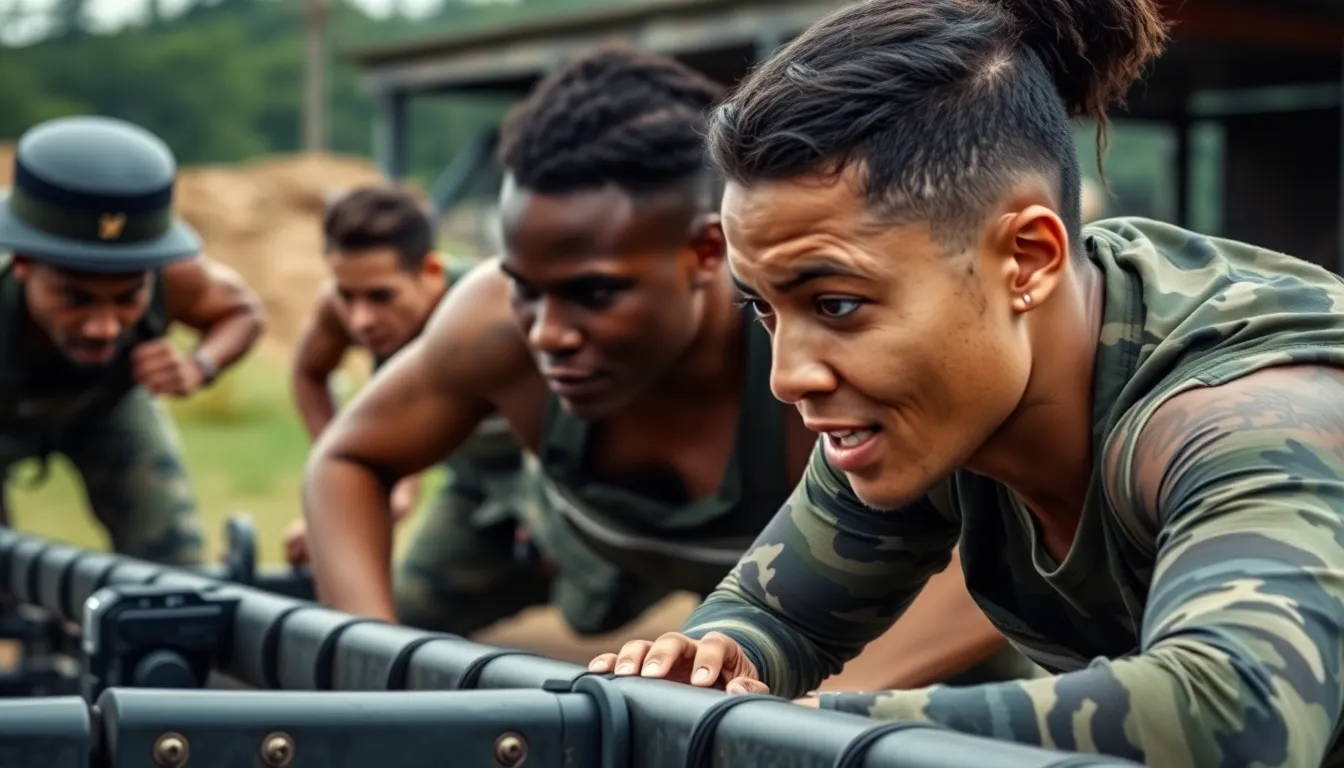
Military fitness training offers numerous advantages for individuals seeking to enhance their overall well-being. This method develops not just physical strength but also mental fortitude.
Physical Strength and Endurance
Participants experience significant increases in physical strength and endurance. Exercises such as push-ups and calisthenics boost muscle tone and functional fitness. Running and endurance workouts elevate cardiovascular health, leading to improved stamina. Obstacle courses challenge athletes, enhancing agility and coordination. Regular training produces observable improvements, often within weeks. Individuals of varying fitness levels can partake, as programs accommodate different abilities. Instructors prioritize safety and proper technique to maximize effectiveness and prevent injury.
Mental Resilience
One of the most impactful benefits lies in enhanced mental resilience. Overcoming physical challenges builds confidence and mental toughness. Group workouts promote camaraderie, creating a supportive network among participants. Discipline remains crucial, as it translates to better focus in other life aspects. Setting and achieving goals fosters a sense of accomplishment, further strengthening mental resolve. Participants learn to push through discomfort, reshaping their perspectives on challenges. This resilience empowers individuals to tackle obstacles beyond fitness training, contributing to overall personal growth and development.
Key Components of Military Fitness Training
Military fitness training consists of crucial elements that enhance overall physical performance and mental strength. Key components include cardiovascular training, strength training, and flexibility and mobility work.
Cardiovascular Training
Cardiovascular training focuses on improving heart health and endurance. It often employs activities like running, cycling, and high-intensity interval training (HIIT) to boost cardiovascular fitness levels. Enhanced endurance leads to better stamina during physical tasks, improving performance in various activities. Increased stamina supports quicker recovery times, benefiting overall training progress. This form of training also fosters mental toughness, as participants push their limits, navigating physical challenges that build resilience.
Strength Training
Strength training plays a vital role in military fitness, emphasizing functional movements that mimic real-life tasks. Exercises like push-ups, squats, and deadlifts develop muscle strength and promote lean muscle mass. Improved strength enhances overall physical capabilities, enabling participants to perform daily activities with greater ease. This component also improves bone density, reducing the risk of injury. Regular strength training can boost metabolism, leading to better weight management and overall health.
Flexibility and Mobility
Flexibility and mobility training target the body’s range of motion and prevent injuries. Stretching routines, dynamic movements, and yoga practices help improve overall flexibility. Increased flexibility enhances athletic performance and supports muscle recovery after strenuous workouts. Engaging in mobility drills aids in joint health, allowing for smoother movement patterns. This component fosters greater balance and coordination, which are essential for executing various physical tasks effectively.
Common Military Fitness Training Regimens
Military fitness training employs various regimens designed to enhance overall physical performance and mental resilience. Two popular training methods include boot camp style workouts and functional training programs.
Boot Camp Style Workouts
Boot camp style workouts focus on high-intensity training that combines strength and cardiovascular exercises. Participants engage in drills like push-ups, burpees, and sprints in a motivating group setting. This format fosters camaraderie as individuals push each other to achieve their fitness goals. Workouts typically last 30 to 60 minutes, challenging both beginners and experienced athletes. The intensity ensures rapid improvements in endurance and strength while developing discipline through structured routines. Progress can be seen in just a few weeks, making it an effective choice for those seeking immediate results.
Functional Training Programs
Functional training programs emphasize movements that mimic real-life activities. Exercises like squats, lunges, and kettlebell swings aim to improve coordination, strength, and balance. This approach enhances overall fitness by focusing on core stability and mobility, benefiting athletes in various sports. Participants integrate resistance training with bodyweight exercises, targeting multiple muscle groups simultaneously. Adaptations allow for different fitness levels, ensuring everyone can participate safely. Functional training not only builds physical strength but also prepares individuals for everyday tasks and challenges, making it an essential component of military fitness.
Military fitness training offers a unique approach to enhancing physical and mental capabilities. Its rigorous exercises not only build strength and endurance but also foster resilience and discipline. Participants find themselves part of a supportive community that encourages teamwork and personal growth.
With adaptable programs for various fitness levels, anyone can embark on this transformative journey. The emphasis on nutrition and hydration further amplifies the benefits, ensuring optimal performance. Engaging in military fitness training can lead to profound changes that extend beyond the gym, empowering individuals to face life’s challenges with confidence and determination.


