
Canned beer is the ultimate convenience for beer lovers, but how long can that frosty delight sit on the shelf before it turns into a sad, flat shadow of its former self? Spoiler alert: it’s not as long as you might think. While it’s tempting to stockpile your favorite brews for a rainy day, understanding the lifespan of canned beer can save you from a disappointing sip that tastes more like regret than refreshment.
Understanding Beer Shelf Life
Canned beer typically lasts six to nine months when stored properly. Several factors, including storage conditions and type of beer, influence shelf life. Canned beers with higher alcohol content often remain flavorful for a longer period.
Oxidation plays a significant role in affecting taste over time. Exposure to light also leads to skunky flavors, particularly in lighter-colored cans. Proper storage, in a cool, dark place, can extend the drink’s quality.
Check for the “best by” date on the can. This date suggests optimal freshness but isn’t necessarily a hard expiration. Some beers may still taste acceptable well after this date, while others, like IPAs, lose bitterness and aroma quickly.
Pale ales and lagers generally maintain their integrity for shorter durations. On the other hand, stouts and porters can often be good for up to one year.
Refrigeration helps prolong freshness. Bringing the beer to room temperature and back repeatedly can diminish its quality. Therefore, it’s wise to avoid fluctuating temperatures.
Understanding these elements assists in enjoying beer in its prime condition. Consider all factors to maximize the enjoyment of each can.
Factors Affecting Canned Beer Longevity
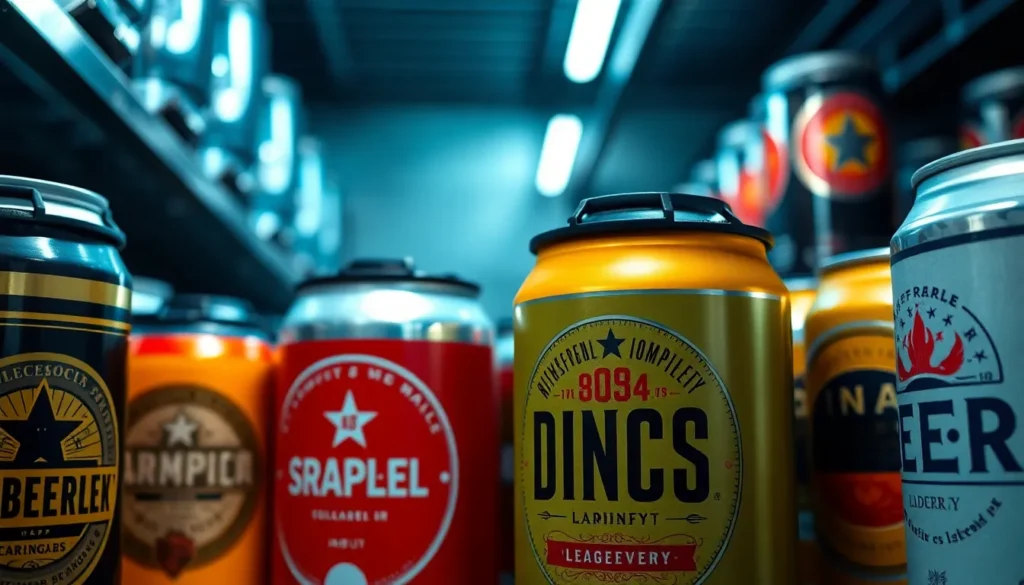
Several factors influence how long canned beer remains fresh and enjoyable. Understanding these aspects ensures better beer experiences.
Type of Beer
Beers vary widely in their formulations, affecting their shelf lives. High-alcohol beers retain flavors longer than lighter counterparts. IPAs, with their hop-forward profiles, lose their aroma and bitterness quickly, especially after three months. Pale ales and lagers typically last up to six months before flavor degradation occurs. In contrast, stouts and porters can maintain acceptable taste for a year or more. Beer enthusiasts must consider these differences when selecting brews for storage.
Storage Conditions
Proper storage plays a crucial role in canned beer longevity. Keeping beer in a cool, dark place significantly enhances its freshness. Temperatures should remain consistent, ideally between 45°F and 55°F. Exposure to light accelerates oxidation, leading to off-flavors. Additionally, fluctuations in temperature can impact the beer’s taste and overall quality. Refrigerated environments help preserve flavor and aroma, making optimal storage essential for enjoying beer at its best.
Signs of Spoiled Canned Beer
Detecting spoiled canned beer is essential for an enjoyable drinking experience. Certain visual and sensory cues indicate when beer has gone bad.
Visual Indicators
Cloudiness or sediment often signals spoilage. A clear beer should appear bright and transparent. When looking for signs, inspect the can; dents or rust can impact the flavor quality. Any change in color, especially for lighter beers turning darker, also suggests an issue. Foamy or excessive bubbles on top upon pouring indicate carbonation problems, leading to an altered taste. It’s best to discard any beer that exhibits these inconsistencies, as they compromise quality and enjoyment.
Taste and Aroma Changes
Flavor shifts and aroma changes are critical indicators of spoiled beer. A fresh beer should exhibit a clean, crisp taste. If it tastes sour or overly bitter, spoilage likely has occurred. A stale or cardboard-like flavor often results from oxidation. Moreover, a loss of hop aroma and bitterness in IPAs after a few months is common. Users should also be wary of off-putting scents like vinegar or butter, indicating undesirable fermentation processes. Trusting these sensory cues helps maintain a satisfying beer experience.
Best Practices for Storing Canned Beer
Canned beer storage significantly impacts its flavor and quality. Keep cans in a cool, dark place to prevent light and heat exposure. Optimal temperatures between 45°F and 55°F enhance freshness and maintain taste.
Store beer upright to minimize contact with the can’s interior, which may affect the beer’s flavor. Avoid areas with temperature fluctuations, such as near ovens or windows, which can lead to off-flavors.
Monitor the “best by” date on cans. This date indicates when the beer tastes its best, though some beers remain drinkable beyond it. Heavier beers, like stouts and porters, tend to last longer than lighter styles such as pale ales and IPAs, the latter losing flavor and aroma rapidly.
Check each can periodically for any signs of spoilage. Cloudiness, unexpected sediment, or changes in color might indicate that a beer has gone bad. Be aware of changes in taste or aroma, including sourness or excessive bitterness, as these can signal spoilage.
Finally, staying organized helps maintain beer quality. Rotate your stock regularly to consume older cans first. Adhering to these best practices ensures an enjoyable beer experience with each pour.
Canned beer can be a delightful experience when enjoyed fresh. Understanding its shelf life and the factors that affect it helps ensure every sip is satisfying. By being mindful of storage conditions and regularly checking the “best by” date, beer lovers can preserve the quality of their favorite brews. Recognizing signs of spoilage is equally important for an enjoyable drinking experience. With a little care and attention, it’s possible to savor the rich flavors and aromas that make canned beer a popular choice among enthusiasts.


