
Ready to break a sweat and have fun while doing it? Group fitness training offers an energetic environment where motivation thrives, and camaraderie grows. Whether you’re a seasoned gym rat or someone who gets winded climbing stairs, group classes might just be the game changer you didn’t know you needed. Picture this: you walk into a bustling studio, infectious music pumping, and contagious enthusiasm envelops you. You can’t help but feel the urge to join in. In this comprehensive guide, we’ll unravel the ins and outs of group fitness training, its numerous benefits, and how to pick the perfect class to suit your goals.
What Is Group Fitness Training?
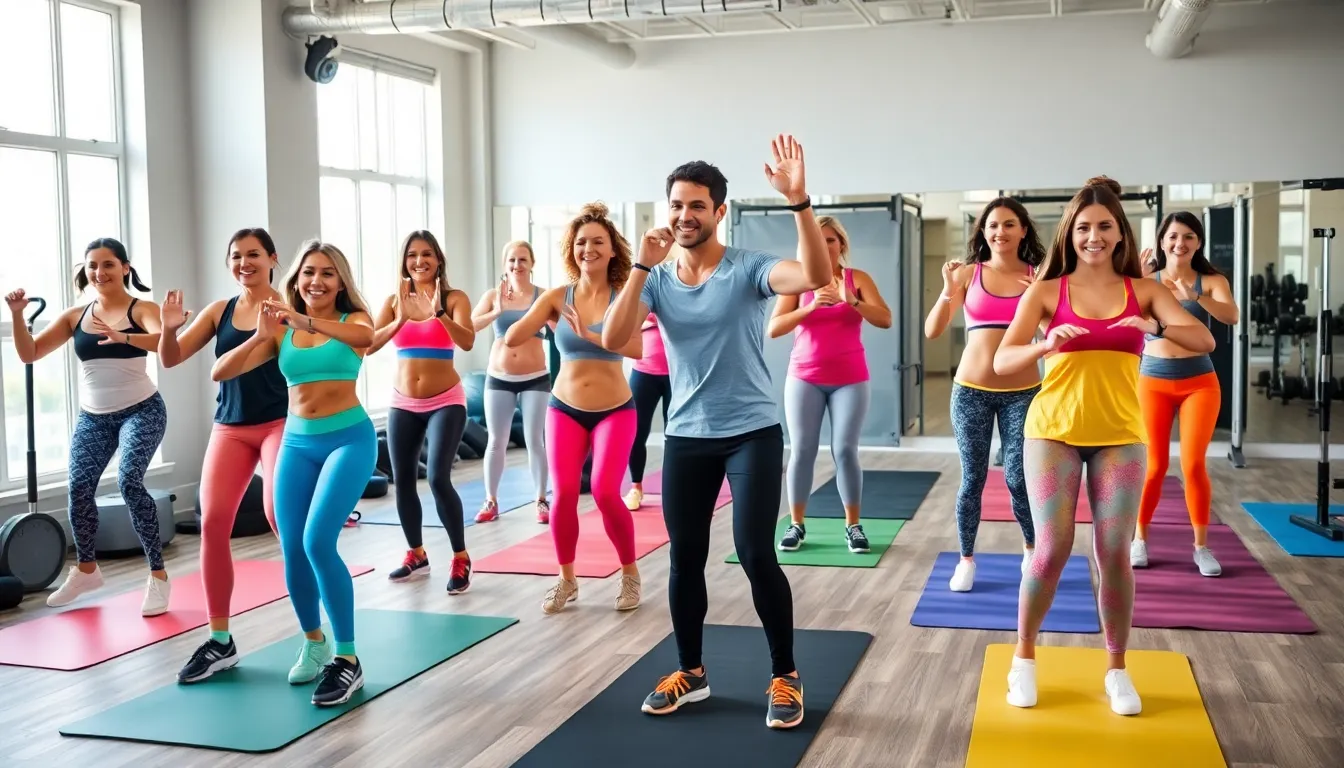
Group fitness training involves structured workout sessions led by certified instructors, bringing together individuals with varying fitness levels. These classes can range from high-energy dance aerobics to calming yoga sessions. The focus is not only on physical exercise but also on creating a supportive community where participants encourage each other to achieve personal fitness goals. Typically, these classes are held in gyms or fitness studios, where space and equipment are shared. The social aspect plays a crucial role: attendees motivate and inspire one another, turning an ordinary workout into a vibrant, unforgettable experience.
Benefits of Group Fitness Training
The advantages of group fitness training are abundant. First and foremost, it fosters a sense of community, creating an environment where participants feel connected and encouraged. This camaraderie can help fight the loneliness often associated with working out alone, providing a sense of belonging.
Also, these classes are usually structured, ensuring that participants receive a well-balanced workout focusing on strength, endurance, flexibility, and even coordination. The presence of a skilled instructor leads to better technique and form, reducing the risk of injury. Group classes also add an element of accountability: missing a class means letting your peers down, which can motivate individuals to show up consistently. Last but not least, let’s talk about fun. Working out with others can be a joy, often making the time fly by.
Types of Group Fitness Classes
Exploring the world of group fitness classes reveals a dazzling array of options, each catering to different tastes and fitness levels.
- High-Intensity Interval Training (HIIT): Intense bursts of activity followed by short rest periods. It’s time-efficient and guarantees a calorie blast.
- Yoga: Focuses on flexibility, balance, and mindfulness. Great for everyone from beginners to seasoned practitioners.
- Zumba: Dance-based workout set to upbeat music. Perfect for those who love to move and groove while burning calories.
- Pilates: Concentrates on core strength and flexibility. It’s fantastic for improving posture and overall stability.
- Spin Classes: Energetic cycling sessions that usually feature high-energy music. It’s a great way to build endurance while having fun.
- Boot Camp: Combines strength training and cardio exercises, often inspired by military training.
These classes can range from casual to intense, giving individuals plenty of choices to find their perfect fit.
How to Choose the Right Class for You
Choosing the right class requires some self-reflection and consideration of personal fitness goals. Start by assessing your fitness level: newcomers may want to opt for lower-intensity classes.
Next, think about your interests. Love dancing? Zumba may be your jam. Prefer focusing on flexibility? Consider yoga. It’s helpful to check the schedules and try out different classes to gauge the atmosphere and teaching style of various instructors. Most gyms offer introductory sessions, which are perfect for discovering what resonates best.
Also, consider class size: smaller classes tend to allow for more personalized attention, while larger classes can create a more energized environment. Finally, don’t forget to listen to your body. If something doesn’t feel right, it’s okay to switch things up until you find what works for you.
Tips for Success in Group Fitness Training
Setting the stage for success in group fitness training involves a few key strategies. First, consider arriving early to get familiar with the space and equipment. This helps reduce anxiety about stepping into a new environment.
Wearing appropriate apparel matters as well. Comfortable, moisture-wicking clothes can make a significant difference in how one feels during a class.
Don’t shy away from hydrating properly before, during, and after workouts. Staying hydrated enhances performance and reduces fatigue.
Consistency is also critical. Making group fitness sessions a part of a regular schedule can establish positive habits and improve results over time. Finally, be open to feedback from instructors. Their guidance can be invaluable for safety and improving performance.
The Future of Group Fitness Training
Looking ahead, group fitness training is expected to evolve in exciting ways. Virtual workouts have gained traction, introducing online classes that allow individuals to connect regardless of geographical location. Hybrid classes blending in-person and online participation are becoming increasingly popular.
Besides, personalization in fitness will likely increase. Technology enables tailored workout experiences, allowing participants to modify classes to suit their needs. Also, the fusion of fitness with wellness practices, such as mindfulness and meditation, is gaining momentum. This approach paints a forward-thinking picture, optimizing not just physical health but mental well-being as well.


