
Ever thought about why those fitness instructors always seem to have boundless energy and an air of confidence? Well, it’s not just because they’ve had one too many espresso shots. The secret often lies in rigorous training and in-depth understanding of their craft. If you’re ready to turn your love for fitness into a career, you’re in the right place. From certifications to hands-on experience, we’re diving into the essential elements of fitness instructor training that can help you stand out in the bustling fitness world. Let’s flex those brain muscles and get started.
Understanding the Role of a Fitness Instructor
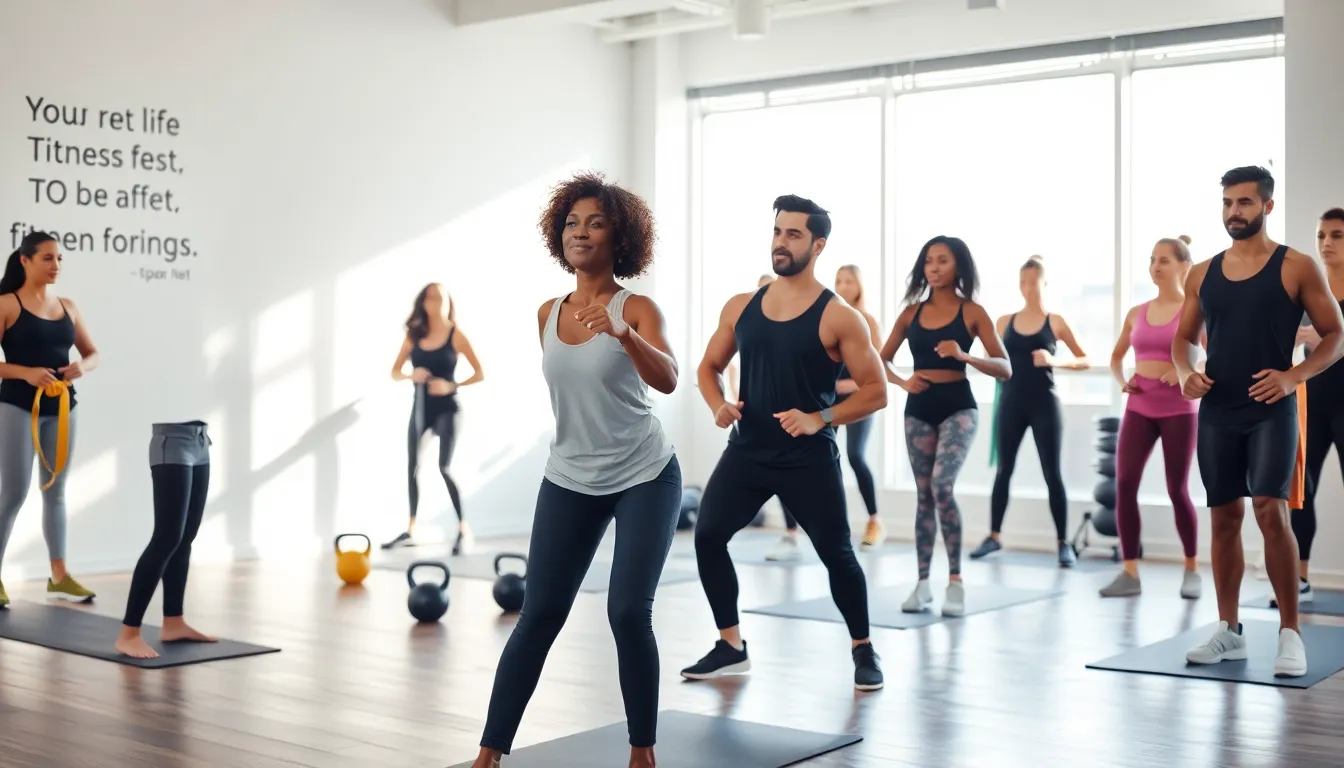
The role of a fitness instructor extends far beyond counting reps or demonstrating the latest workout moves. At the heart of their job lies the ability to inspire and motivate individuals to reach their fitness goals. They act as coaches, mentors, and sometimes even therapists as they navigate the ever-changing dynamics of personal health and wellness. A fitness instructor not only leads workouts: they design personalized fitness programs that cater to the unique needs of clients. They assess physical conditions, suggest modifications, and offer nutrition advice, all while creating a supportive and encouraging environment. A fitness instructor plays a pivotal role in fostering a community, making fitness less about individual effort and more about collective achievement.
Whether teaching a high-energy group class or offering one-on-one coaching sessions, fitness instructors must skillfully navigate the psychological aspects of training. Recognizing that motivation can vary greatly among individuals, they adapt their strategies to keep everyone engaged and excited. To succeed, one must truly understand their client base: so, a deep comprehension of human anatomy, exercise sciences, and nutrition becomes necessary.
Importance of Certification and Credentials
While many might think enthusiasm and personal fitness experience are enough, the reality is that certification is crucial in this industry. Why? Because it not only sets the foundation for a fitness instructor’s knowledge and skill set but also enhances their credibility. When potential clients see those shiny credentials, they’re more likely to trust the instructor with their health goals.
Numerous organizations offer specialized certifications in various fields of fitness training, from personal training to group fitness and specialized programs like yoga or Pilates. These programs ensure that instructors are well-versed in anatomy, exercise techniques, and even injury prevention strategies. As a result, certified instructors are better equipped to design safe and effective workout plans for diverse populations. Without the proper certifications, instructors might unintentionally risk their clients’ safety by misguiding them in their routines. In essence, certification doesn’t just showcase expertise: it also instills confidence in clients, and confidence is key in this line of work.
Core Skills and Competencies Required
To thrive as a fitness instructor, one must develop a diverse skill set that goes beyond the physical. Firstly, a solid foundation in exercise science is essential. Understanding how the body moves and how different exercises affect various muscle groups is paramount. Secondly, communication skills must be at the forefront, being able to explain complex concepts in simple terms is invaluable. Instructors need to articulate instructions clearly so that clients can follow along without confusion.
Empathy plays a vital role in this profession. Instructors should be genuinely interested in their clients’ journeys, celebrating milestones and being supportive during setbacks. Also, time management and organizational skills are imperative. Planning classes and managing schedules effectively contribute to a smoother workflow. Finally, adaptability is key: every class may bring new challenges, from varying skill levels to unexpected equipment issues. An effective instructor can think on their feet and adjust accordingly, ensuring a positive experience for everyone involved.
Training Programs and Methods
Training to become a fitness instructor typically involves a combination of theoretical knowledge and practical application. Aspiring instructors can find numerous training programs, each with its unique focus. Popular options include personal training certifications from organizations like the American Council on Exercise (ACE) and the National Academy of Sports Medicine (NASM). These programs often cover not only exercise principles but also essential topics like nutrition, motivational techniques, and program design.
Many training programs incorporate learning through online modules and in-person workshops, offering a comprehensive understanding of the concepts. Some programs even include access to practice exams and study materials to ensure success.
Plus to certifications, many instructors benefit from ongoing training workshops that highlight the latest trends in fitness. Whether it’s high-intensity interval training (HIIT), functional fitness, or the popularization of fitness technology, staying updated ensures instructors remain ahead of the curve.
Practical Experience and Internships
Gaining practical experience is arguably one of the most beneficial aspects of becoming a fitness instructor. While book knowledge is crucial, nothing quite compares to the real-life experience of leading a class or training clients. Many certification programs require or strongly encourage internships or hands-on training, allowing aspiring instructors to shadow experienced professionals.
During these internships, students can observe how seasoned instructors manage clients, set up workouts, and respond to various fitness levels. This allows them to learn invaluable lessons such as time management, motivation techniques, and how to create that magic rapport with clients. Plus, this experience can also help build a mentor-mentee relationship that can last throughout their careers. In essence, practical experience not only reinforces theoretical knowledge but also boosts confidence when it comes time to lead classes independently.
Continuing Education and Professional Development
The fitness industry is perpetually evolving, and instructors must evolve with it. Continuing education is not just recommended: it’s often necessary for maintaining certifications. Many organizations mandate a specific number of continuing education units (CEUs) every few years. Instructors can achieve these CEUs through workshops, conferences, or additional courses focusing on emerging trends and techniques.
Besides, pursuing specialized certifications allows instructors to expand their skill set and attract a broader range of clients. Learning about new fitness modalities or nutrition strategies can give instructors the edge they need in a competitive market. Adopting a mindset of lifelong learning is crucial for personal and professional growth. Whether it’s acquiring knowledge about new training methodologies, researching the latest fitness tech, or attending industry conventions, ongoing education provides an avenue to refine expertise.


