
In the Lone Star State, owning a classic car is like having a piece of history parked in your driveway. But if that vintage beauty is over 25 years old, it’s time to buckle up for a unique inspection experience. Texas has some quirky rules when it comes to inspecting these automotive relics, and understanding them can save drivers from unexpected surprises—or worse, a trip to the mechanic that feels like a scene from a horror movie.
Overview of 25 Year Old Car Inspection Texas
Texas imposes specific inspection rules for cars over 25 years old. These vehicles qualify as classic cars, often exempt from certain standard requirements applied to newer models. An understanding of these regulations aids owners in maintaining compliance and ensuring their vehicles remain roadworthy.
Inspections for vehicles 25 years and older primarily check essential systems. Emissions testing varies based on location; while some areas may mandate it, others do not. Texas allows counties with lower population densities to exempt these classic car inspections altogether, reducing the overall burden on owners.
Another consideration involves safety inspections. Key components include brakes, lights, tires, and steering mechanisms, which must function correctly. Classic car owners often find themselves managing these inspections more frequently if their vehicles encounter issues.
A licensed inspection station must perform the examination. Documentation, such as proof of ownership, remains crucial for inspection processes. After passing inspection, vehicles receive a sticker to display, ensuring compliance with Texas regulations.
Owners should also note potential modifications. Alterations to the vehicle may affect inspection outcomes and compliance. Therefore, maintaining original components might provide advantages during inspections. Classic car enthusiasts value authenticity, making compliance even more significant.
Understanding these factors can help Texas car owners navigate the complexities of the 25 year old car inspection process efficiently. Keeping abreast of local regulations, required documents, and inspection standards significantly eases the path for classic car ownership.
Requirements for Inspection
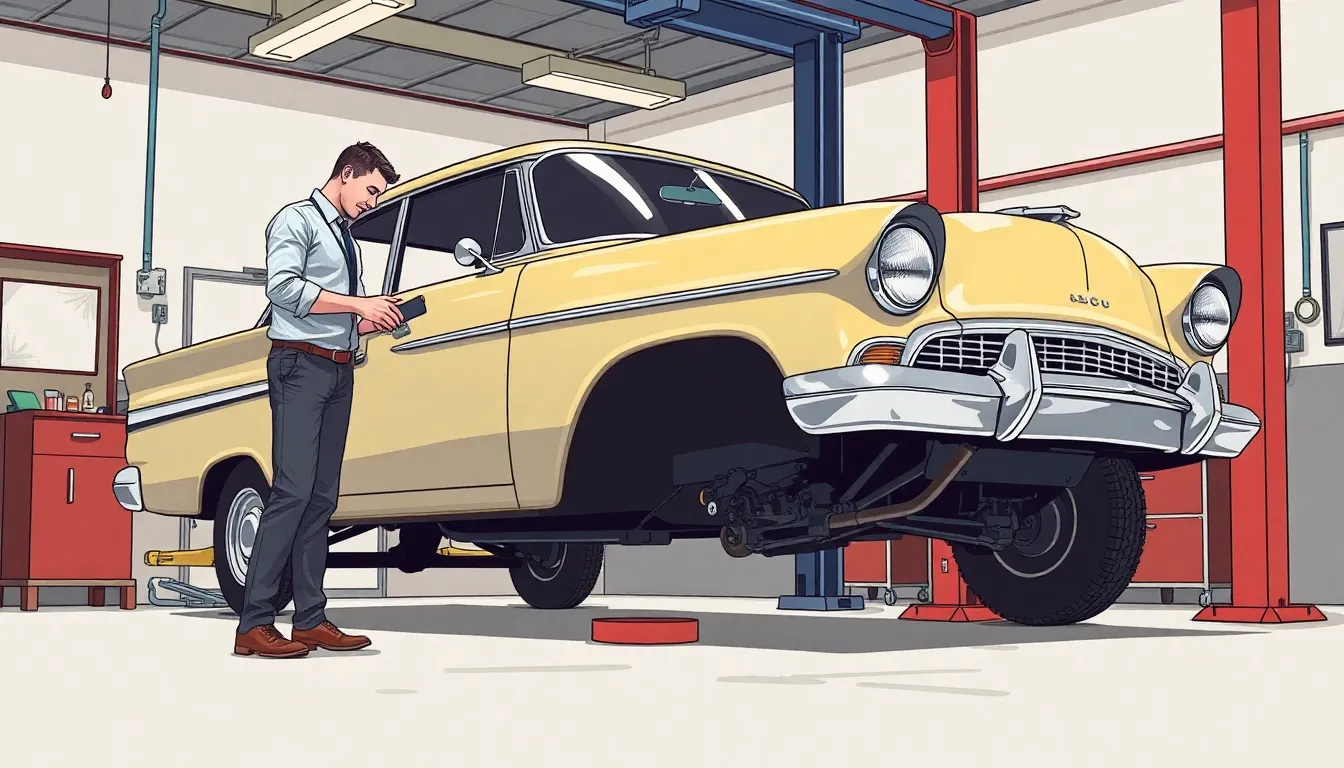
Understanding the requirements for inspecting a 25-year-old car in Texas is essential for owners. Each step ensures compliance with state regulations while prioritizing vehicle safety.
Inspection Process
Inspections for classic cars follow a specific process. First, a licensed inspector evaluates essential systems like brakes and lights. Testing often involves checking tires and steering components for any issues. Emissions testing may apply, depending on the vehicle’s location. The inspection station issues a compliance sticker upon passing. Owners should plan visits during quieter times to minimize wait times and ensure a thorough examination.
Necessary Documents
Document preparation is crucial before the inspection. Proof of ownership, such as a title or registration, must be presented. A valid driver’s license is also necessary for the inspection process. Additionally, some areas may require previous inspection records to verify compliance. Organizing these documents beforehand streamlines the experience and helps avoid delays. Keeping everything readily accessible aids in a smooth inspection journey.
Common Issues Faced
Classic cars in Texas often encounter specific inspection challenges, particularly those exceeding 25 years old. Awareness of these common issues can aid owners in better preparing for inspections.
Emissions Testing
Emissions testing varies across Texas, with some counties requiring such tests while others may not. Classic cars frequently qualify for exemptions, especially in areas with lower populations. Owners in regions that enforce emissions testing must ensure their vehicles meet local requirements. Issues often arise from outdated or modified exhaust systems, which might not comply with current standards. This scenario highlights the significance of maintaining original components to avoid complications during inspections. Familiarity with the local regulations proves essential to manage expectations and avoid unforeseen delays.
Safety Standards
Safety standards for classic cars focus on critical components, including brakes, lights, and steering systems. Inspectors will rigorously evaluate these elements to ensure vehicle safety. Problems can emerge if vehicles have worn-out brake pads or malfunctioning lights. Owners must prepare by addressing these concerns ahead of time. Proper maintenance helps in passing inspections smoothly. Additionally, documentation showing previous inspection records may support the inspection process, especially in areas with stricter regulations. Taking proactive steps helps alleviate potential issues, ensuring classic cars adhere to Texas safety criteria.
Preparing Your Vehicle
Preparing a classic car for inspection involves careful attention to maintenance and documentation. Ensuring all essential systems function properly contributes to a smoother inspection process.
Maintenance Tips
Inspecting critical components helps identify potential issues. Before the inspection, check brake pads for wear, as worn pads can lead to failure. Evaluate lights to guarantee they operate correctly; malfunctioning lights often raise red flags. Assess tires for adequate tread depth and proper inflation, since uneven wear could indicate suspension problems. Examine the steering system to ensure responsiveness. Regular oil changes and air filter replacements maintain engine performance. Scheduling a thorough tune-up can also enhance vehicle readiness. Maintaining original components generally avoids complications during the inspection process.
Documentation Checklist
Gathering the necessary documentation streamlines the inspection experience. Owners should have the vehicle title readily available; this proves ownership. Additionally, registration documents affirm compliance with state laws. A valid driver’s license is crucial for identification purposes. Previous inspection records may offer helpful context, especially in regions with stricter requirements. If applicable, emissions testing certificates from previous evaluations can ease the process. Having all documents organized and accessible can significantly reduce stress during the inspection appointment.
Costs and Fees
Classic car inspections in Texas involve several costs that owners should be prepared for. Fees typically range from $7 to $40, depending on the inspection station and the services rendered. Engaging a licensed inspection station remains essential, as unlicensed facilities may not meet state requirements.
Emissions testing fees may apply in certain regions. Areas enforcing emissions standards often charge an additional fee that can reach $30. Inspectors may require this test to determine if the vehicle complies. Understanding local regulations helps avoid unexpected costs.
Maintenance expenses also factor into car ownership. Owners should anticipate costs for routine upkeep, which keeps vehicles in top shape for inspections. Regular oil changes, brake replacements, and tire services are often necessary investments.
Documentation fees can arise when obtaining essential papers. A title transfer, for instance, may incur fees, typically around $15. These costs vary depending on the county’s regulations. Keeping records organized minimizes potential fees related to lost or misplaced documents.
Additional services, such as repair work prior to inspection, could lead to more expenses. Repairs that address safety violations can range significantly, from minor fixes to major overhauls. Being proactive about maintenance prevents inspection-related costs from escalating.
Owning a classic car in Texas becomes more manageable with awareness of these costs and fees. Budgeting appropriately ensures that owners are ready for inspection expenses and maintenance requirements.
Navigating the inspection process for 25-year-old cars in Texas requires attention to detail and proactive maintenance. Classic car owners can benefit from understanding local regulations and preparing their vehicles accordingly. By ensuring essential components are in good condition and having the necessary documentation ready, they can avoid unnecessary delays and complications.
Regular upkeep not only enhances the likelihood of passing inspection but also contributes to the overall longevity of the vehicle. With the right preparation and knowledge of the inspection landscape, classic car enthusiasts can enjoy their vehicles while staying compliant with state requirements.


